...
Itential Platform Pricing Explore flexible plans and options for your team

Itential logo
Blogs

From Intent to Automation: Making Operational Expertise Reusable With Infrastructure Agent Skills

Headshot of Chris Wade, Co-Founder and CTO of Itential, leading development of the company's infrastructure orchestration platform and pioneering agentic operations for enterprise network automation.
Chris Wade
Co-Founder & CTO
Last updated November 16, 2026

Key Takeaways

    • A useful agent needs guidance about how to use tools together to achieve an operational outcome.
    • Vendor expertise and enterprise requirements need to work together.
    • Skills can help teams build automation even when they want production execution to remain deterministic.
    • We want vendors and practitioners to help turn infrastructure expertise into automation more teams can use.

Give an agent access to your infrastructure tools, and you’ve solved part of the problem. You still need to tell it how the work should be done.

That’s where a lot of the effort sits today. An engineer reads the vendor documentation, adds what they know about the environment, and translates it into a procedure someone else can follow. Another team does much of the same work. Then we do it again for the next agent.

I think we have an opportunity to stop rebuilding so much of that knowledge from scratch. With Infrastructure Agent Skills, we’re opening a shared foundation for capturing operational expertise in a form agents can use and practitioners can improve.

Intent Needs Operational Expertise

For years, we’ve talked about infrastructure responding to business intent. Describe the outcome you need, and let the system work through the implementation.

Agents create another path toward that vision. But a request to provision an application environment still leaves a lot to resolve. Which compute platform? Which connectivity and access requirements? What needs validating before the service is ready?

The model brings general knowledge. Tools provide capabilities. The organization supplies requirements. Skills capture guidance about performing the operation, including platform-specific procedures and what to do when conditions differ from expectations.

Knowing an API exists doesn’t tell an agent when to call it, which inputs to gather first, or how to verify the result. Those are the details experienced engineers use every day. They need to be available to the agent, too.

Put Shared Knowledge Into Reusable Skills

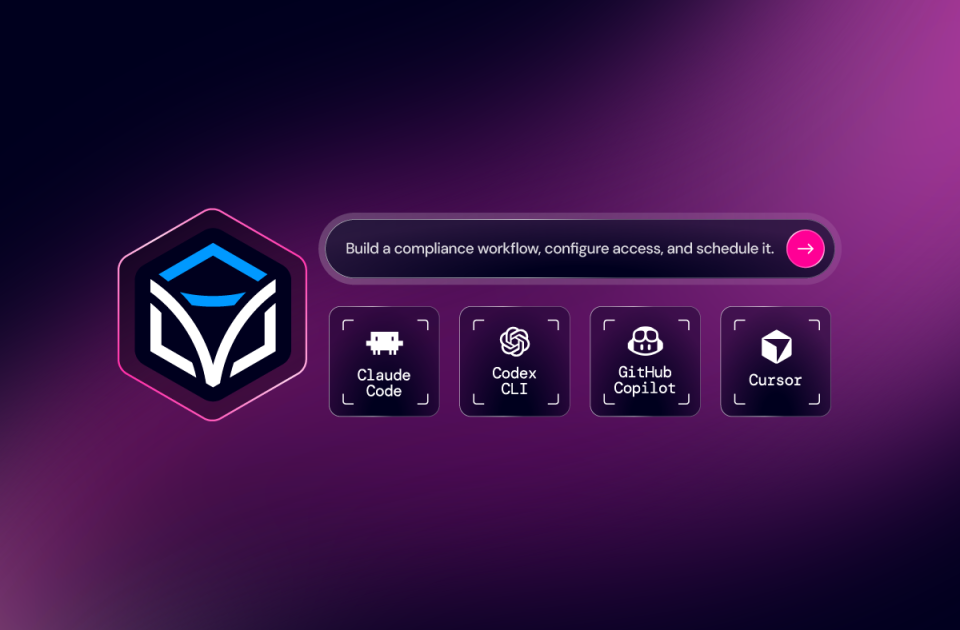
Infrastructure Agent Skills is an open source library of reusable operational procedures and vendor-specific guidance for agents working across infrastructure environments.

Reusable Skills

What’s In The Library

The library covers work such as provisioning compute, deploying container workloads, managing certificates, resolving incidents, and making network changes. Skills are organized around operational capabilities, with platform-specific references underneath them.

That structure matters. A team can start with the operation it needs to perform, then apply the relevant guidance for the target environment. Teams can adopt individual skills and use them with FlowAI or compatible AI coding agent harnesses.

We’re making the library available under the Apache 2.0 license. The aim is to give the industry a practical place to contribute knowledge that would otherwise keep getting reconstructed in individual projects.

This complements Itential AI Skills, which helps teams build, administer, and operate the Itential Platform through compatible coding agents. Infrastructure Agent Skills focuses on procedures across the infrastructure technologies those teams operate.

Keep Vendor Guidance & Business Requirements Connected

Vendors know how their platforms should be operated. Customers know how their businesses need to run.

Consider certificate renewal as an example of the knowledge involved. Platform guidance can explain how to request and install a certificate. The enterprise still needs to specify the approved certificate authority, relevant services, change requirements, and evidence needed to confirm the service works afterward.

The same applies to a software upgrade or a cloud deployment. Platform instructions establish important technical details. Enterprise requirements determine where and under what conditions the operation is acceptable.

We need an explicit way to apply both and surface conflicts for review. Copying a large prompt between agents makes that knowledge harder to maintain. Reusable skills give teams a place to capture it, review it, and improve it over time.

  • 💡A skill can describe the procedure, but the environment still needs to enforce permissions, approvals, and the boundaries within which an agent can act.

That distinction matters as teams put tools, skills, context, and governance together. Instructions guide behavior. They don’t replace execution controls or establish that a proposed change is correct.

Turn Expertise Into Repeatable Automation

The opportunity goes beyond running more agents.

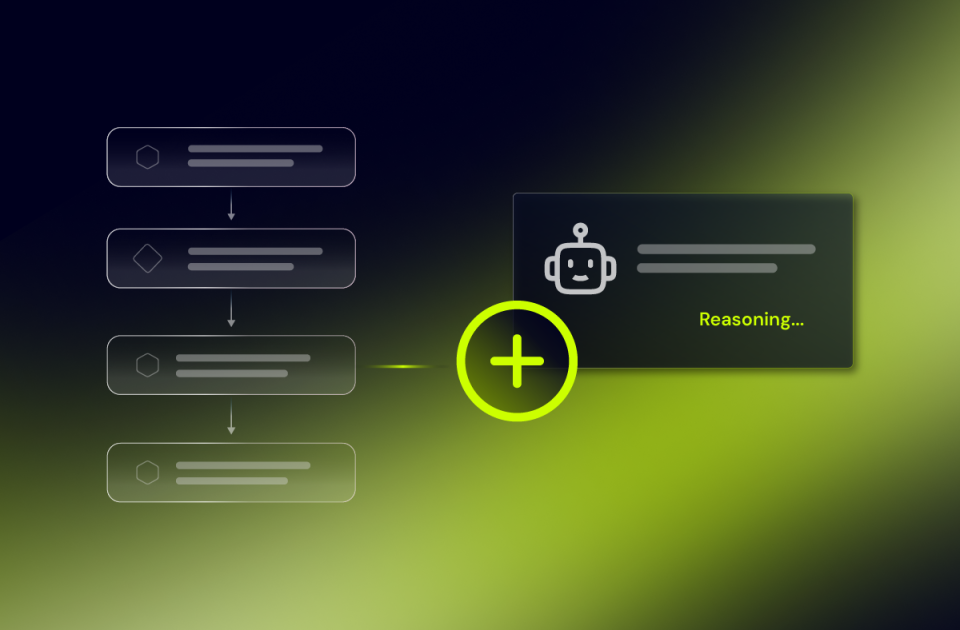
Use skills to help an agent work through an operation in a controlled environment. Review what it did, examine how it handled exceptions, and validate the result. Once the repeatable steps are understood, engineers can capture them in a deterministic workflow.

I’ve written about where reasoning belongs alongside deterministic execution. Routine operations and unfamiliar conditions place different demands on the system. We should choose the approach that fits the work.

For a well-understood operation that runs frequently, there may be little value in paying a model to determine the same steps every time. Reasoning remains useful when the workflow encounters something its designers didn’t anticipate.

The team can investigate what changed and decide whether to improve the workflow, fix the environment, or escalate the situation. Observed executions inform that decision. They don’t prove every possible condition has been covered.

  • 💡Using AI to build automation and allowing AI to make production decisions are separate choices, and teams should be able to make them separately.

That gives organizations a way to benefit from reusable skills at different stages of adoption. They can make expertise easier to apply while choosing how much reasoning belongs in production.

I explored this distinction further with Ethan Banks on Packet Pushers’ Heavy Networking podcast, where we discussed how AI agents fit into network automation strategies, the role of operational skills, and why deterministic execution remains essential as teams introduce agentic capabilities.

Build on Each Other’s Experience

For years, we asked vendors to deliver code alongside documentation so infrastructure could be managed programmatically. Now we also need operational guidance in a form agents can use.

I’d like vendors to publish the procedures they know work for their platforms. I’d like practitioners to contribute the checks, failure handling, and verification steps that make those procedures useful in real environments.

Skills need maintenance. A procedure should be reviewed when interfaces, software versions, or operating assumptions change. As maintainers of this repository, we review proposed contributions before accepting them, and we’re inviting vendors and practitioners to help improve the guidance and keep it current. Testing and feedback matter as much as adding new coverage.

Contributors can extend this library or submit existing infrastructure skills for inclusion in its catalog. Those external skills can remain in their publishers’ repositories under their own licenses. Participation shouldn’t require moving everyone’s work into our repository.

Start with one operation you understand well. Examine the guidance, try it in an appropriate test environment, and share what needs improving. Installation instructions, contribution guidance, and license terms are in the Infrastructure Agent Skills repository.

Come Find Me & The Itential Team at AutoCon 6

I’ll be at AutoCon 6 in Tucson, November 16-20, and I want to have this conversation with the people doing the work.

Come find me or stop by the Itential booth. Bring a procedure you keep rebuilding, platform guidance you can contribute, or an existing skill you’d like to help test. Let’s turn that expertise into something more teams can use and maintain.

We already have a tremendous amount of infrastructure knowledge across this community. Let’s put it to work and build the future of agentic infrastructure operations together.

Headshot of Chris Wade, Co-Founder and CTO of Itential, leading development of the company's infrastructure orchestration platform and pioneering agentic operations for enterprise network automation.
Chris Wade is Co-Founder and CTO of Itential, responsible for guiding the innovation and development of the company’s flagship infrastructure orchestration platform. He co-founded Itential in 2014 to accelerate network automation adoption and transform how enterprises operate complex infrastructure. Chris is a long-time advocate of automation and is now focused on the next evolution: agentic operations, where AI agents can reason, plan, and act while changes remain trusted, governed, and auditable. Under his technical leadership, Itential is advancing agentic orchestration that blends reasoning intelligence with deterministic automation to safely scale outcomes across cloud, network, and hybrid environments.
Keep Learning

The Latest in Agentic Operations

Get Started

Agentic infrastructure operations starts here.

See how Itential connects AI reasoning to governed execution across your entire infrastructure.